Ancient Japan · Spirit World · Mythological Folklore

妖怪 YOKAI REALM

Where the veil between the living and the dead grows thin, the spirits emerge. Enter the ancient world of Japan's most fearsome, beguiling, and supernatural beings.

日本神話 · Japanese Mythology

The Ancient Spirits

Yokai (妖怪) are supernatural beings from Japanese folklore — a vast, living taxonomy of ghosts, demons, tricksters, and divine monsters that have inhabited the Japanese imagination for over a thousand years.

From the nine-tailed fox who serves the gods to the skull-crushing demon forged from battlefield grief, each yokai carries a warning, a lesson, or a fragment of Japan's ancient soul. They haunt rivers and mountain passes, slip into dreams, and walk unseen through autumn forests at dusk.

900+ Documented Yokai
1000+ Years of Lore
Unexplained Phenomena

Nine Spirits

Each yokai is a world unto itself — ancient, inscrutable, and possessed of powers that dwarf the understanding of mortals.

Legends of the Spirit Realm

The Night of One Hundred Stories

During the Edo period, samurai would gather by candlelight to compete in hyakumonogatari kaidankai — ghost story contests. Each completed tale extinguished one candle, drawing supernatural presences ever closer. The ritual was so feared that participants often refused to tell the final story, leaving the last candle burning forever.

The Fox's Wedding

When rain falls from a clear sky, the Japanese say kitsune no yomeiri — a fox is getting married. Kitsune weddings are said to occur in forests during sunshowers, the foxes processing in formal procession carrying paper lanterns. To witness one is extraordinary luck; to interfere is catastrophic.

The Demon's Gate

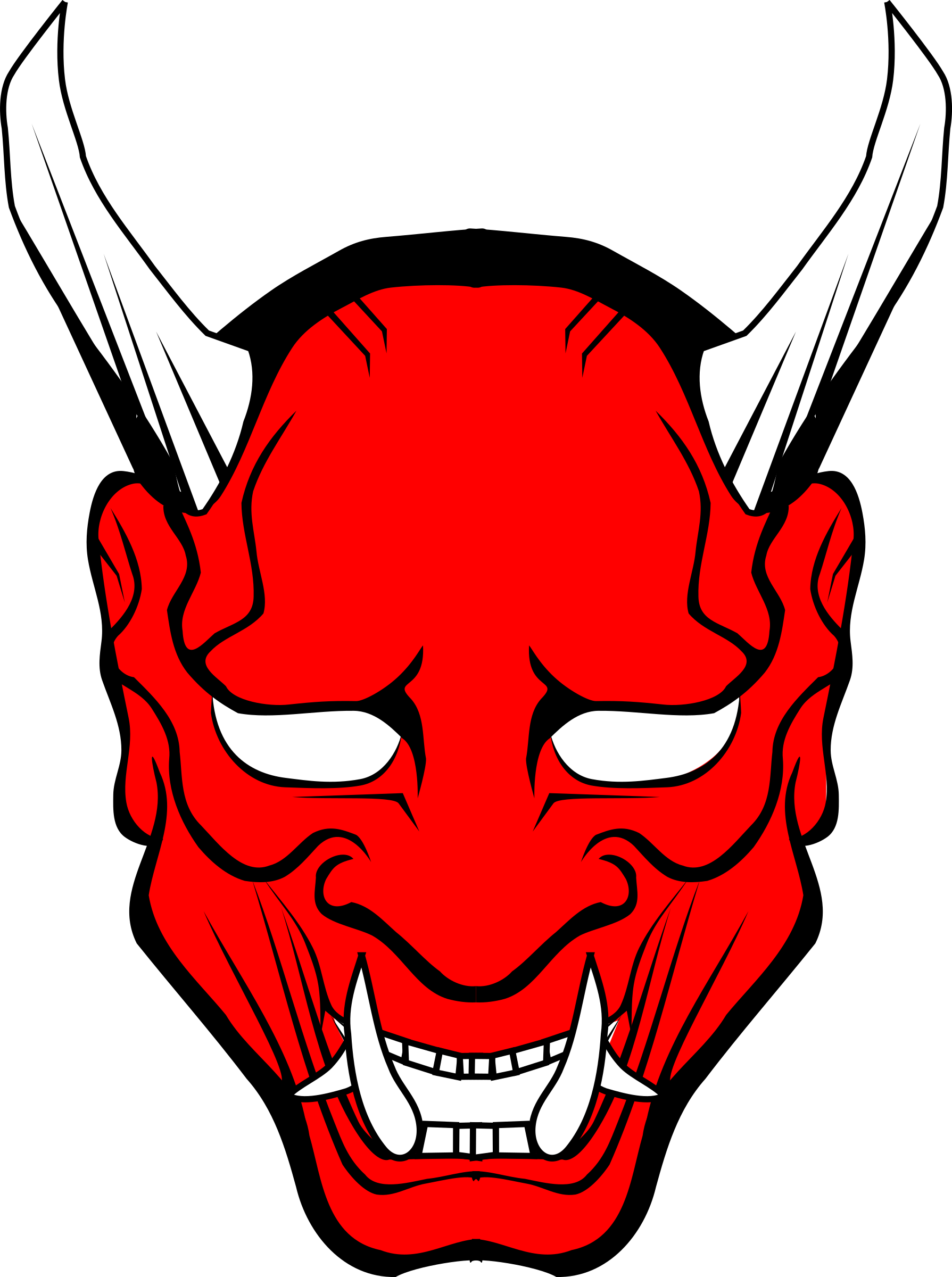
The northeast direction — kimon, the Demon's Gate — is the direction from which oni enter the human world. Traditional Japanese architecture positioned toilets, gates, and storage away from the northeast. Even today, many shrines keep guardian oni figures facing northeast, their terrible faces turned toward the darkness they were placed to hold back.

The Yokai Bestiary

Scholars of the supernatural classify yokai by nature, domain, and the danger they represent to mortals.

水妖 · Water Spirits

Kappa, Umi-bōzu, Gyūki, and the River Dragons haunt rivers, lakes, and the deep sea. They guard water sources and exact tribute from those who pollute or disrespect them.

Kappa · Umi-bōzu · Gyūki · Yamawaro

山妖 · Mountain Spirits

Tengu, Oni, and the mountain gods control the high passes and ancient forests. Their territory is marked by strange sounds at dusk and travelers who vanish without explanation.

Tengu · Oni · Yamamba · Zashiki-warashi

夢妖 · Dream Spirits

Baku, the Yume-no-naka, and sleep paralysis demons slip through the membrane of sleep. They may protect dreamers from nightmares — or consume the dreamer entirely.

Baku · Kanashibari · Yume-no-naka

神獣 · Divine Beasts

Fox spirits, dragon kings, and phoenix-kin stand closer to divinity than to monstrosity. Their nature is ambiguous — neither evil nor good, bound only by ancient laws and personal whim.

Kitsune · Ryūjin · Hō-ō · Kirin

亡霊 · Vengeful Dead

Those who die with unresolved grief, betrayal, or obsession become onryō — wrathful ghosts whose suffering contaminates the living. The stronger the emotion, the more dangerous the spirit.

Gashadokuro · Onryō · Goryō · Yūrei

化け物 · Shape-changers

Objects and animals that accumulate years gain tsukumogami — their own spirit. Ancient sandals, old umbrellas, foxes, and tanuki all may transform and walk among humans undetected.

Tanuki · Kitsune · Tsukumogami · Inugami